

Sleep is essential for overall health, yet conditions like sleep apnea can quietly disrupt it night after night. Many people are surprised to learn that your dentist may be one of the first healthcare providers to recognize the signs. Through routine exams and a close look at your oral structures, dentists can help identify potential sleep apnea and guide you toward appropriate care.
What Is Sleep Apnea
Sleep apnea is a condition where breathing repeatedly pauses and resumes during sleep. The most common form, obstructive sleep apnea (OSA), happens when the airway becomes partially or fully blocked. These breathing interruptions can lower oxygen levels and disrupt the quality of your sleep.
Over time, untreated sleep apnea can affect daily energy levels, concentration, and overall well-being. Because symptoms often occur during sleep, many people are unaware they have the condition until a partner notices snoring or pauses in breathing, or a healthcare provider identifies risk factors during an exam.
How Dentists Detect Sleep Apnea During Exams
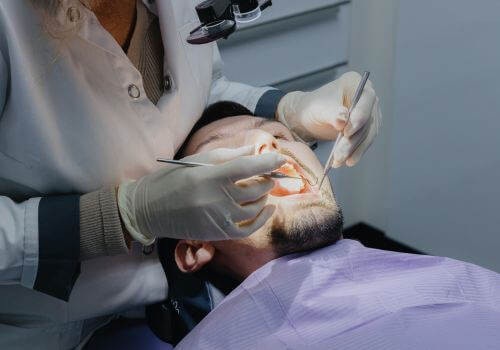
During routine dental visits, your dentist examines more than just your teeth. The condition of your mouth, jaw, and airway can offer valuable insight into how well you breathe while sleeping. These observations may help identify signs of sleep-related breathing issues and determine if further evaluation is recommended.
Some common signs dentists look for include:
- Teeth grinding (bruxism): Chronic grinding or clenching can be associated with airway obstruction during sleep.
- Worn or cracked teeth: Damage patterns may suggest nighttime grinding linked to disrupted breathing.
- Enlarged tonsils or tongue: These can reduce airway space and contribute to obstruction.
- High or narrow palate: Certain oral shapes may limit airflow.
- Jaw positioning: A retruded (set-back) lower jaw can increase the likelihood of airway collapse.
These findings do not confirm sleep apnea on their own, but they can signal the need for further assessment. Dentists are trained to recognize these patterns and initiate conversations about sleep health.
Diagnostic Tools Used in Dental Sleep Medicine
If your dentist suspects sleep apnea, they may recommend a formal sleep evaluation. A definitive diagnosis is typically made through sleep testing, which measures breathing patterns, oxygen levels, and other physiological data during sleep.
Sleep Studies and Home Testing Options
Two commonly used diagnostic approaches include:
- Polysomnography (PSG): This comprehensive sleep study is usually conducted in a sleep lab. It records brain activity, breathing, heart rate, and oxygen levels throughout the night.
- Home Sleep Apnea Testing (HSAT): In some cases, patients may use a portable device at home. These tests are more convenient and can provide valuable information about airflow and oxygen levels, though they are typically used for patients with a higher likelihood of moderate to severe OSA.
A diagnosis of obstructive sleep apnea is generally based on the apnea-hypopnea index (AHI), which measures how often breathing disruptions occur per hour of sleep. An AHI of 5 or more events per hour, combined with symptoms, may indicate OSA, according to the American Academy of Sleep Medicine.
Treatment Options Dentists May Provide
Once sleep apnea has been diagnosed, treatment recommendations will depend on the severity of the condition and your overall health. For appropriate cases, dentists trained in dental sleep medicine can provide comfortable, non-invasive treatment options to help improve breathing during sleep.
Custom Oral Appliance Therapy
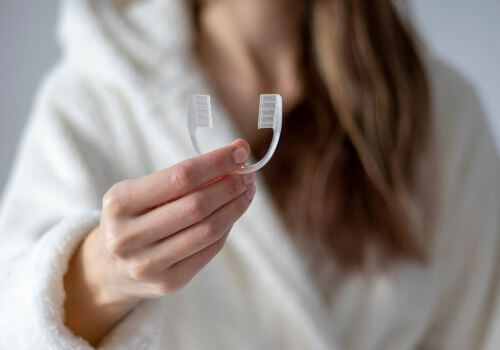
One of the most common dental treatments for mild-to-moderate obstructive sleep apnea is a custom oral appliance. These devices are worn during sleep and are designed to gently reposition the lower jaw and tongue to help keep the airway open.
Oral appliances are often preferred by patients who have difficulty tolerating continuous positive airway pressure (CPAP) therapy. They are small, portable, and easy to maintain, making them a practical option for many individuals.
Ongoing Monitoring and Adjustments
Follow-up care is an important part of treatment. Dentists will monitor how well the appliance is working, check for any side effects, and make adjustments as needed to improve comfort and effectiveness.
The Importance of Collaboration with Sleep Specialists
Sleep apnea care often involves a team approach. Dentists frequently collaborate with sleep physicians, primary care providers, and other specialists to ensure a comprehensive diagnosis and treatment plan.
This coordination helps confirm the diagnosis, determine the most appropriate therapy, and monitor long-term outcomes. It also ensures that any underlying health concerns related to sleep apnea are properly addressed.
When to Talk to Your Dentist About Sleep Apnea
If you experience symptoms such as loud snoring, daytime fatigue, morning headaches, or difficulty concentrating, it may be worth discussing sleep apnea with your dentist. Even subtle signs observed during a dental exam can provide valuable insight into your sleep health.
Early identification and treatment can improve sleep quality and support overall health. Your dentist will help guide you through the next steps and connect you with the appropriate resources for diagnosis and care.
If you have questions, we would love to answer them for you. Please give us a call at the office at (970) 514-0662, or you can email us at [email protected]. Our staff would love to talk with you!
Don't forget to follow us on social media Facebook, Instagram.